
MiSA Roadtrip: Taller Di Frenna Arquitectos in Colima, Mexico Designs Their Own Concrete Masterpiece
April 15, 2026 at 1:30pm
There is perhaps no architectural brief more daunting, nor more revealing, than when a design firm sets out to create its own studio. It is a rare moment of complete creative autonomy and a unique opportunity to manifest abstract spatial philosophies into a tangible, inhabitable reality without the traditional compromises of external client demands.
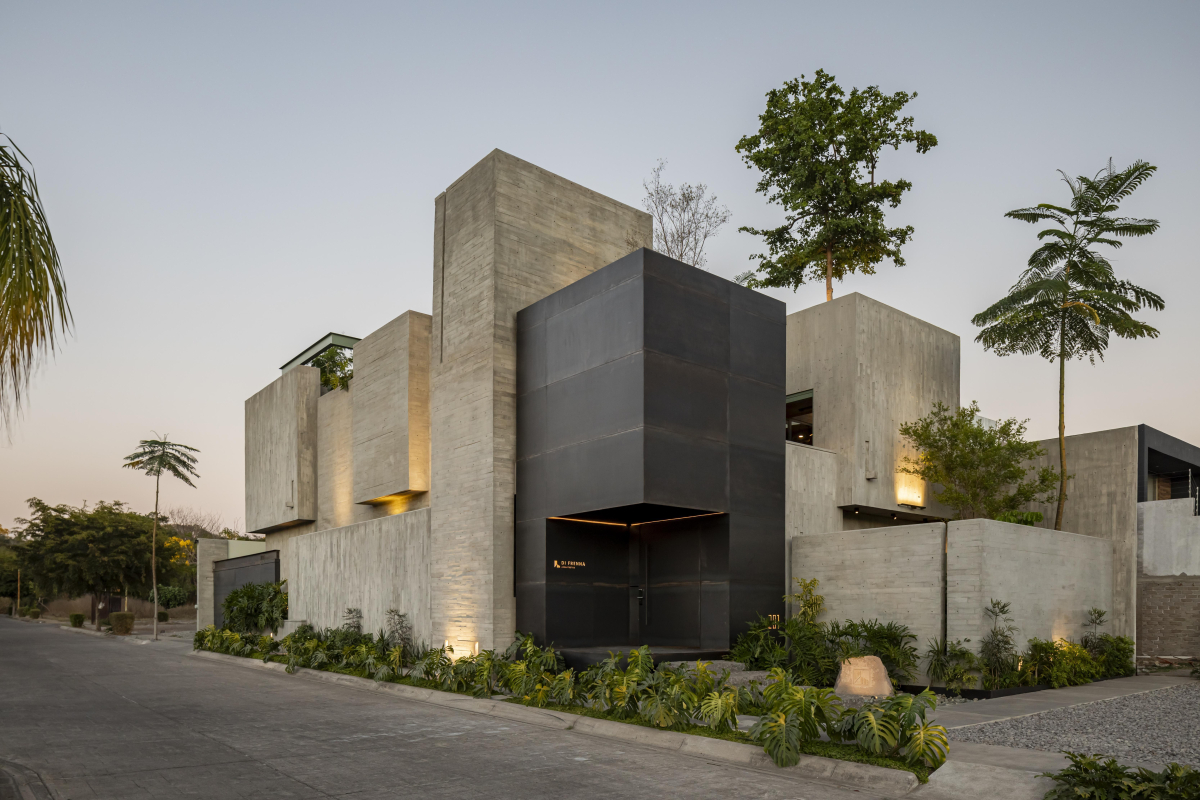
Completed in January 2025, the new headquarters for Taller Di Frenna Arquitectos in Colima, Mexico, represents precisely this kind of built manifesto. Directed by founder and principal architect Matia Di Frenna Müller, alongside a dedicated design team featuring Arq. J. Omar Anguiano de la Rosa and Arq. Mariana de la Mora Padilla, the project goes far beyond the conventional corporate office paradigm. Instead, it emerges as a meticulously crafted environment where architectural practice and exploration seamlessly coexist.
As a multidisciplinary architecture and design studio, Taller Di Frenna has built a reputation on exploring the nuanced relationships between contemporary design, rigorous material experimentation, and the rich heritage of local craftsmanship. To understand this building is to recognize it not merely as a place for desks and drafting boards, but as a dynamic "working laboratory". The programming of the facility is deliberately orchestrated to facilitate every single stage of the architectural process, tracing the lineage of an idea from its earliest conceptual genesis through to its final presentation to a client.
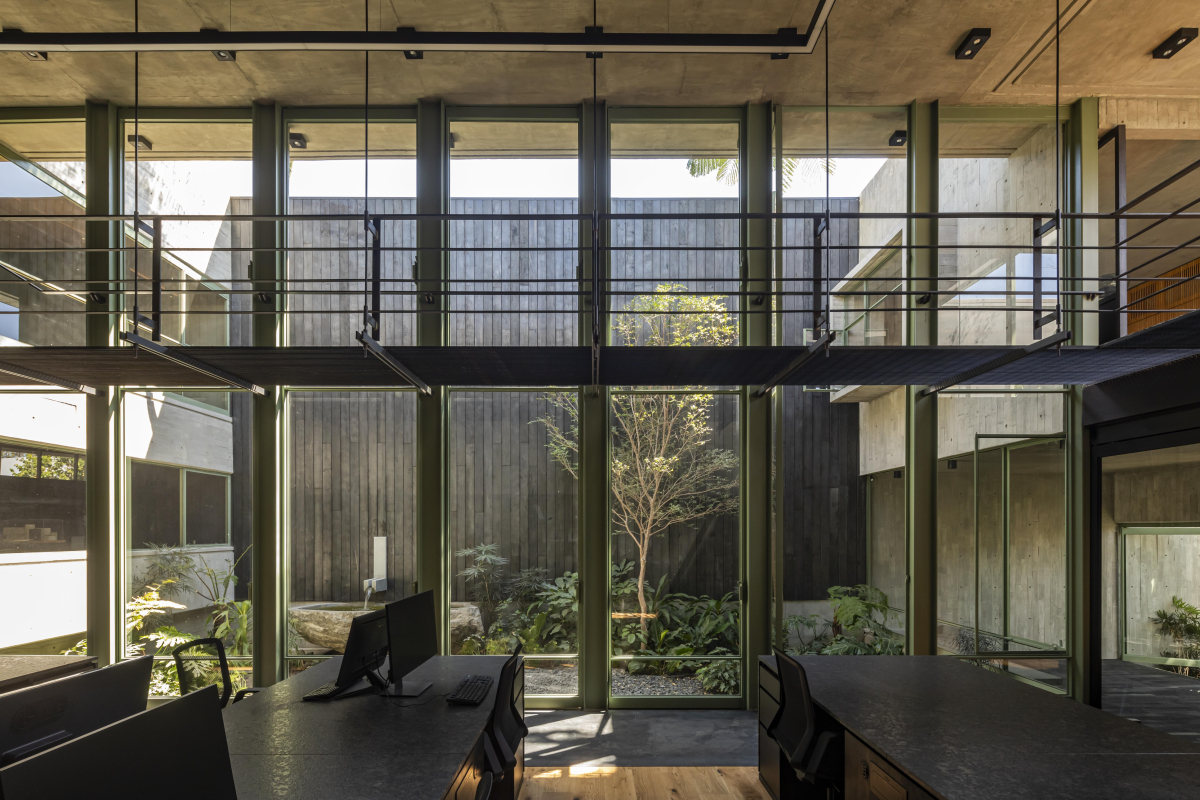
The studio seamlessly brings together a rich tapestry of functional zones: open workspaces, dedicated meeting areas, sophisticated audiovisual facilities, and a highly specialized model-making workshop; however, it is the deliberate spatial relationships among these diverse zones that define the firm's collaborative culture. It is an environment expressly built for testing, iterating, and developing new spatial concepts, serving as a permanent, built representation of the studio’s underlying design principles and operational methodology.
Form and Materiality
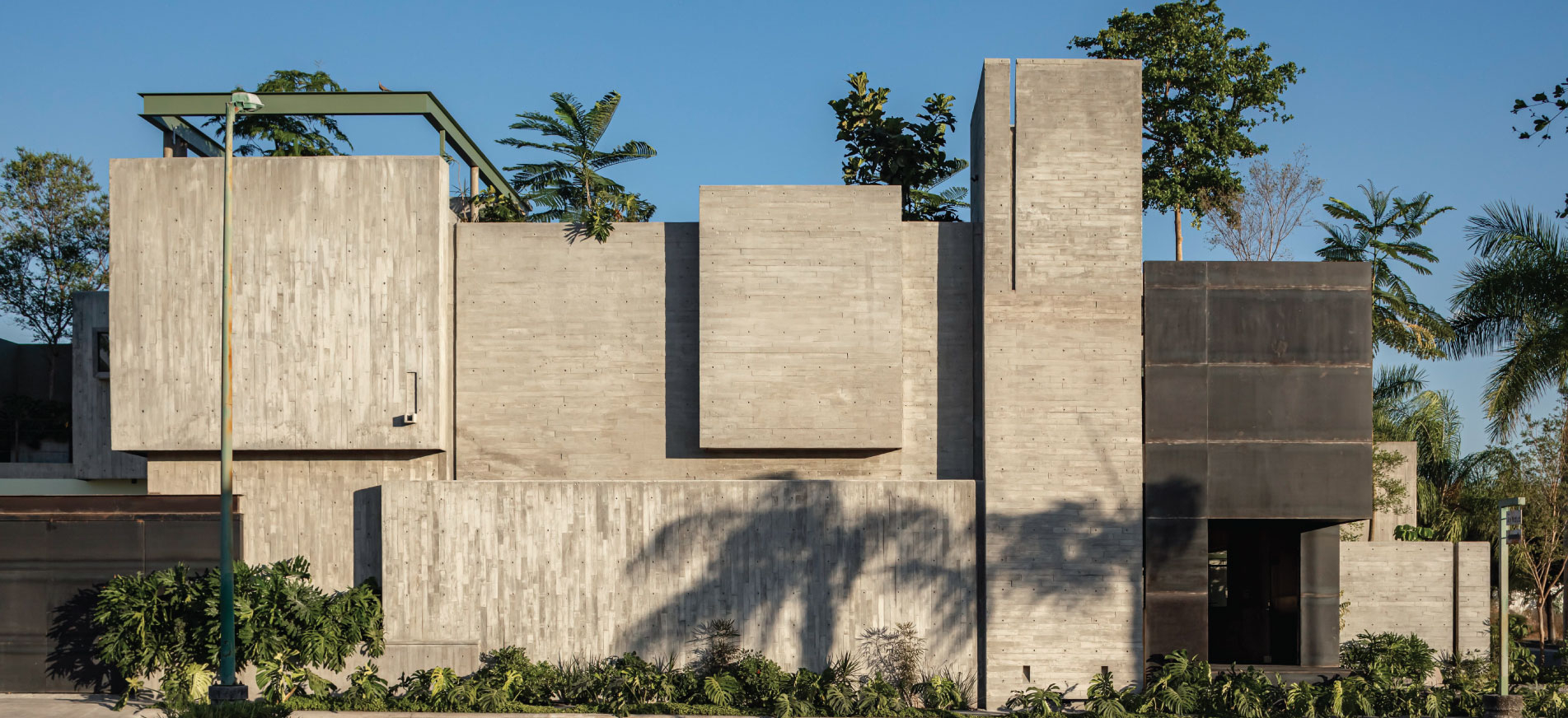
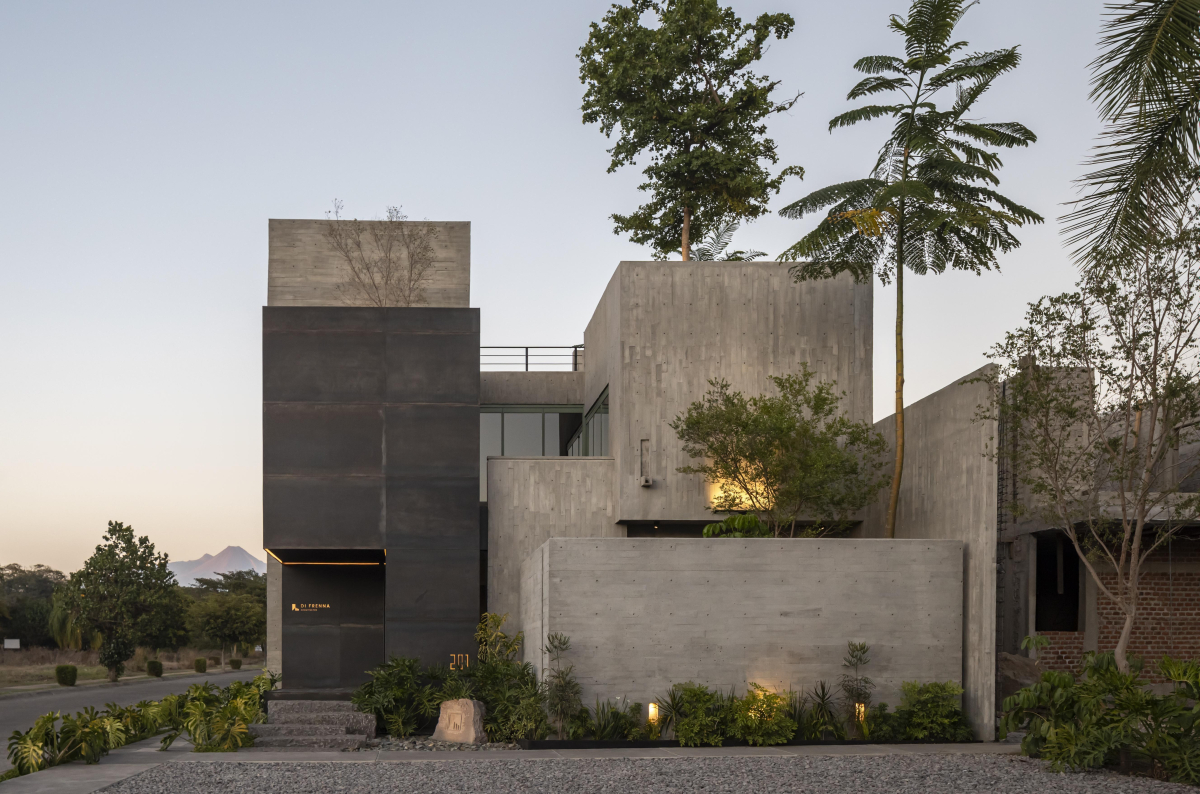
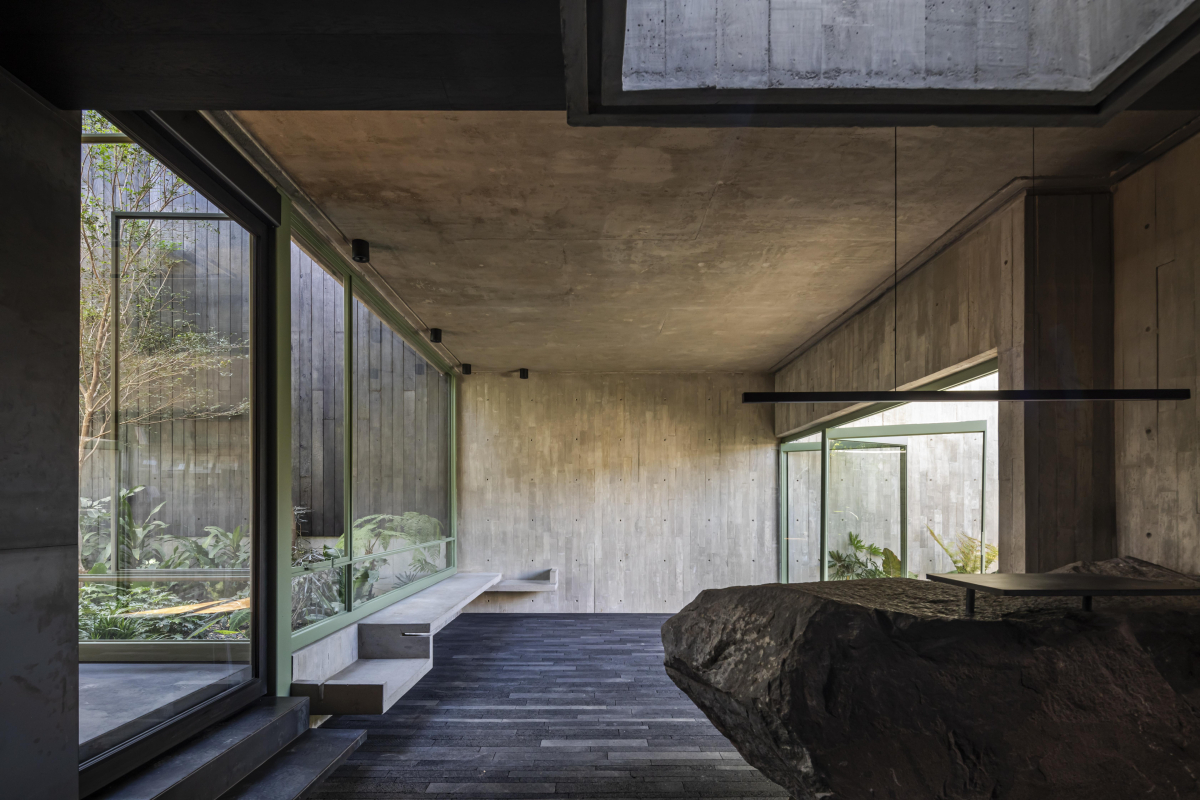
As one approaches the structure, the architectural language communicates through a series of clean, well-defined geometric volumes. Taller Di Frenna has always prioritized clarity of form, but it is their dedication to material authenticity that truly anchors the project's visual impact. The designers have deployed a deeply tactile, varied palette of exposed, honest materials, most notably concrete, steel, charred wood, and stone. The juxtaposition of these specific materials creates a layered, nuanced architectural language that bridges industrial austerity with natural warmth. The brutalist, heavy weight of the concrete and the sleek, rigid precision of the steel are beautifully softened and grounded by the organic, weathered textures of the stone and the dark, elemental richness of the charred wood.
We asked them to expand on their specific choice of charred wood for the central courtyard and how it interacts functionally and aesthetically with the more industrial materials. They replied,
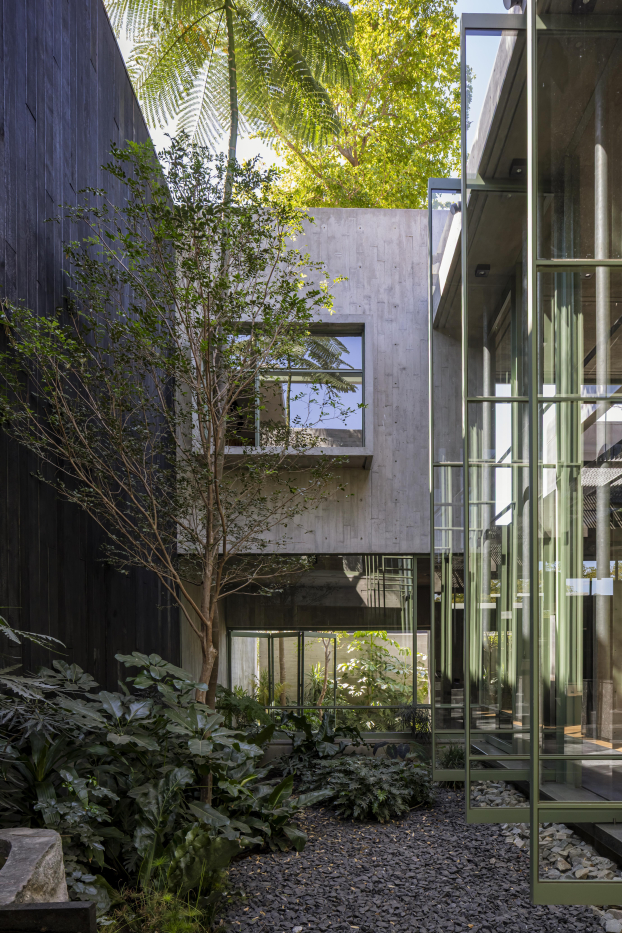
"La madera que se utilizó en el proyecto corresponde principalmente a pino tratado y quemado, aplicado en los muros del patio central. Este proceso, además de mejorar su durabilidad para uso exterior, intensifica su textura y profundidad tonal, generando un contraste marcado con el concreto aparente y el acero. Más allá de un acabado, la madera carbonizada aporta una cualidad sensorial al espacio: absorbe la luz, enfatiza las sombras y construye una atmósfera más íntima dentro del vacío del patio."
("The wood used in the project is primarily treated and charred pine, applied to the walls of the central courtyard. This process, in addition to improving its durability for outdoor use, intensifies its texture and tonal depth, creating a striking contrast with the exposed concrete and steel. Beyond a mere finish, the charred wood lends a sensory quality to the space: it absorbs light, emphasizes shadows, and creates a more intimate atmosphere within the courtyard's open space.)
Regarding the use of concrete, we asked about the specific techniques they used to create rhythm and modulation in the walls. They explained,
"En el concreto buscamos hacer evidente su proceso de construcción. Se utilizaron tablas como cimbra, algunos en vertial y otros en horizontal, dejando una modulación y textura visibles que aportan ritmo a los paramentos. Este lenguaje se complementa con superficies más lisas en otros elementos, generando un diálogo entre lo rugoso y lo preciso. Más que un acabado uniforme, el concreto se entiende como un registro del proceso, donde cada superficie conserva la huella de su fabricación."
(In the concrete, we sought to make its construction process evident. Boards were used as formwork, some vertical and others horizontal, leaving visible modulation and texture that lend rhythm to the walls. This language is complemented by smoother surfaces in other elements, creating a dialogue between the rough and the precise. More than a uniform finish, the concrete is understood as a record of the process, where each surface retains the imprint of its fabricator.)
The Interior
The beauty of the studio's interior organization lies in its heavy reliance on a series of interior courtyards that strategically punctuate the building’s footprint. These curated voids are not residual spaces; they serve as the project's “lungs”. They play a critical role in the building's spatial organization by drawing abundant natural light and vegetation deep into the interior work zones. By establishing strong visual and physical connections across different sectors of the building, these courtyards create an ever-changing interplay of light, shadow, and varying floor levels.
This dynamic spatial choreography actively reduces the sterile monotony so frequently associated with enclosed, traditional office environments. The symbiotic relationship between the protective interior envelope and these open exterior pockets crafts a gradual, seamless transition between the man-made structures and nature. These sunlit spaces offer crucial areas for pause, providing the design team with vital, informal zones that support a working atmosphere uniquely tailored to encourage quiet reflection and spontaneous collaboration.
Local Craftsmanship
Taller Di Frenna Arquitectos’ headquarters is a testament to the power of localized fabrication and knowledge. The building was developed with the intimate participation of local builders and artisans, whose specialized skills significantly contribute to the project's final character. This collaborative effort is not hidden away behind drywall or dropped ceilings; rather, its craftsmanship is proudly displayed in the exacting construction details, unique surface treatments, and refined material finishes woven throughout every room of the studio. This hands-on approach perfectly aligns with the studio’s broader philosophy: the seamless integration of artisanal knowledge within the highly technical framework of contemporary architecture. The result is an inspiring workplace where high-level technical precision and traditional manual skill coexist within a remarkably unified architectural language.
We asked Taller Di Frenna Arquitectos about their priority of collaborating with local artisans and craftspeople. They mentioned,
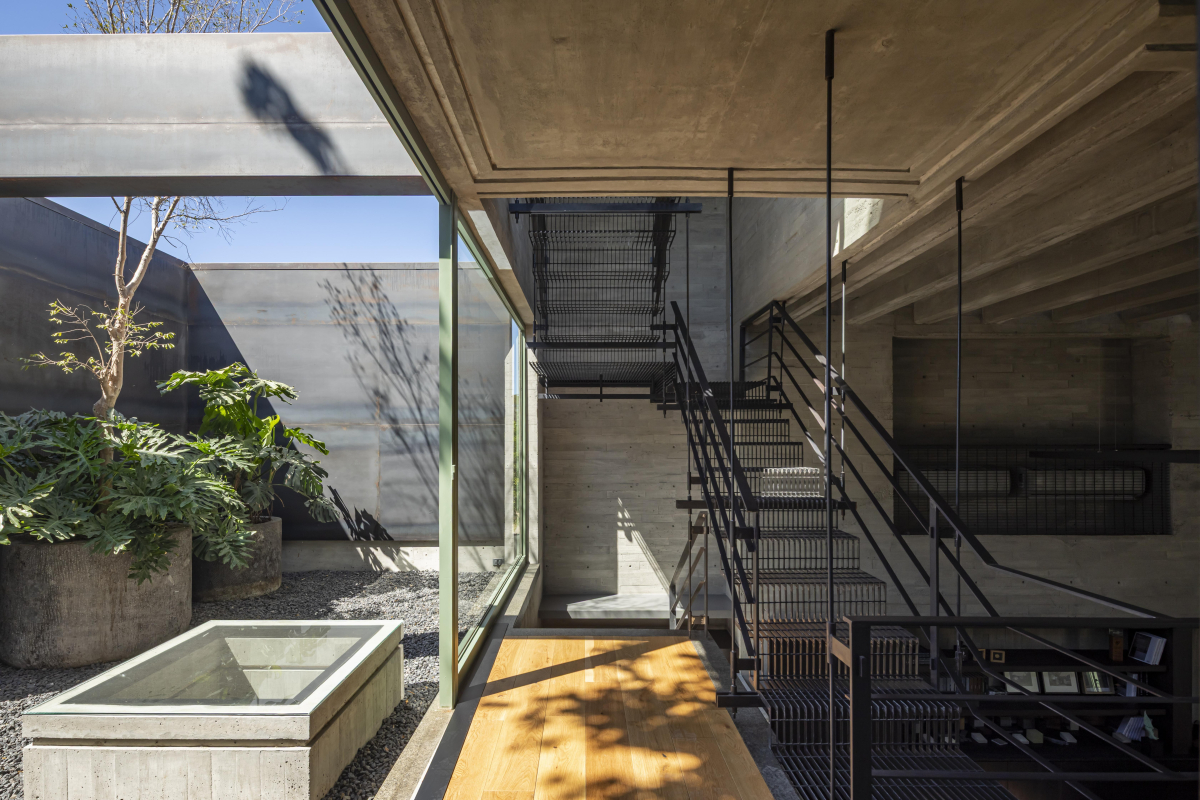
"La colaboración con artesanos locales fue clave para consolidar el carácter del proyecto. Su participación fue especialmente relevante en la ejecución de la herrería —visible en elementos como celosías, estructuras metálicas, todos los ventanales y sobre todo en el módulo del acceso donde se dejó el acero en crudo—, así como en toda la carpintería, el piso de piedra del recibidor y otros detalles constructivos. Estos oficios no solo resolvieron aspectos técnicos, sino que también influyeron en decisiones de diseño, permitiendo que los sistemas constructivos y los materiales respondieran de manera más directa a las capacidades y tradiciones locales."
(Collaboration with local artisans was key to solidifying the project's character. Their participation was especially significant in the execution of the ironwork—visible in elements such as latticework, metal structures, all the windows, and above all in the entrance module where the steel was left exposed—as well as in all the carpentry, the stone floor of the foyer, and other construction details. These crafts not only resolved technical aspects but also influenced design decisions, allowing the construction systems and materials to respond more directly to local skills and traditions.)
Accolades
The completed studio has rapidly garnered significant acclaim within the design community, proving that the firm's introspective experiment was a triumph. In 2025 alone, the project secured a remarkable sweep of prestigious industry accolades. It was awarded the Gold Medal at the VI Regional Biennial (Region V, Manzanillo) and took first place in the Corporate Interior Design category at the Firenze Entremuros Awards. Its structural and spatial achievements were further recognized with a first-place win in Private Infrastructure at the Construye Awards, and another first-place honor in the Corporate Spaces category at the Noldi Schreck Awards. Additionally, the project's widespread impact was cemented by its being named a finalist for the AD México y Latinoamérica Awards, the Interceramic Awards, and Obra del Año by Grupo Expansión.
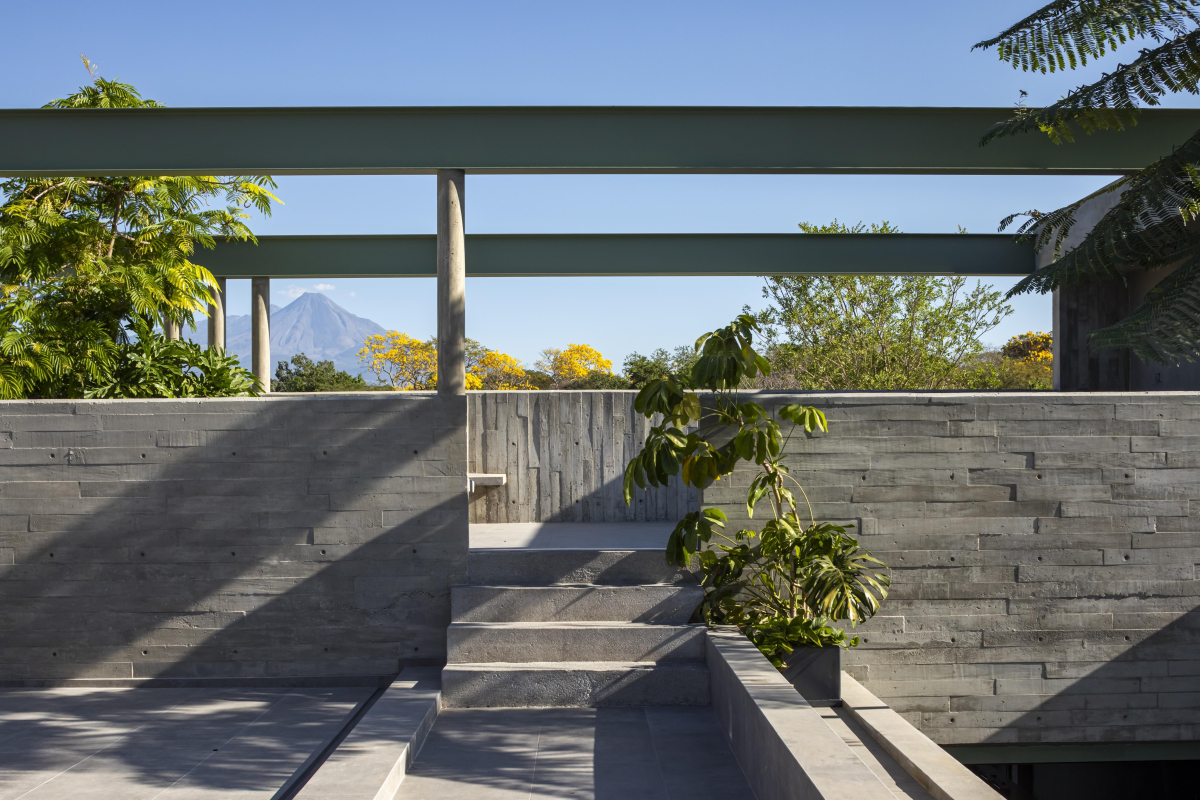
By carving out a workspace that prioritizes authentic materiality, spatial fluidity, and a deep reverence for local Mexican craftsmanship, Matia Di Frenna and his team have created an enduring sanctuary for design. As the studio continues to develop functional and clearly defined spaces across Mexico and internationally, it now does so from a home base that reflects its highest ideals: a space where the beautiful, rigorous process of creation is celebrated in every concrete pour, charred timber, and sun-drenched courtyard.
Project Data
Project Name: Taller Di Frenna Arquitectos
Location: Colima, Mexico
Architect: Di Frenna Arquitectos
Founder / Principal Architect: Matia Di Frenna Müller
Design team: Arq. J. Omar Anguiano de la Rosa, Arq. Mariana de la Mora Padilla
Project Sector: Architecture studio / corporate interior
Program: Architecture studio, model workshop, audiovisual areas, meeting rooms, open workspaces, interior courtyards.
Materials: Concrete, steel, charred wood, Stone.
Project completion date: January 16, 2025
Photographer: Onnis Luque
The view more work by Taller Di Frenna Arquitectos, visit their Instagram page.

Elizabeth Williams is Editor and a writer for Modern in San Antonio.